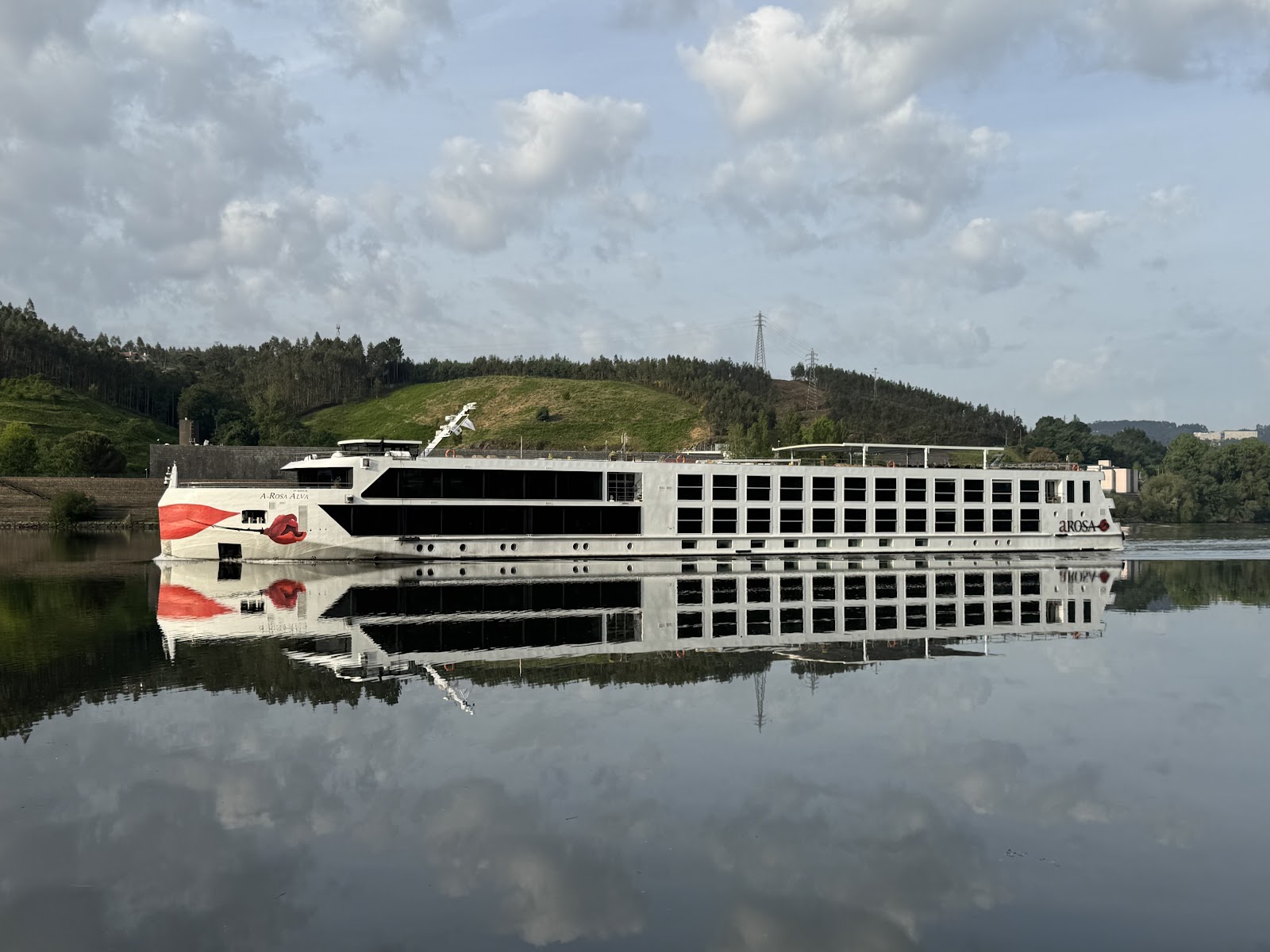
River cruising has quietly become one of the most exciting growth stories in travel. What was once viewed as a niche, bucket-list splurge is now a fast-expanding category with new ships, new brands, and richer onboard experiences arriving almost every season. If you have been curious about a river cruise, there has never been a better time to look — and the reasons why say a lot about where travel as a whole is heading.
Here is a look at the momentum behind the industry, and why it matters for anyone dreaming of gliding past castles, vineyards, and storybook villages with their bags unpacked just once.
The growth is real — and it is accelerating
The numbers tell a clear story. Europe’s cruise market is projected to grow at roughly 12% a year through 2033, and within that market, river cruising is the fastest-growing segment of all. That is not a temporary spike or a post-pandemic bounce. It is a sustained, structural shift in how people want to travel: slower, deeper, and more immersive, with a front-row seat to the landscape the entire way.
Demand has been strong enough that the best cabins and prime sailing dates now book far in advance. When a category consistently sells out its premium inventory a year or more ahead, that is a sign of an industry with real, durable appetite behind it — not one chasing customers with discounts.
Cruise lines are betting big — and building
The most convincing proof of confidence is what the cruise lines themselves are doing: they are building ships, and lots of them.
AmaWaterways, one of the most respected names on the rivers, is on track to grow from roughly 31 vessels today to more than 50 by 2032 — a fleet expansion of well over a dozen new ships. And it is far from alone. Tauck has introduced elegant new vessels on the Rhône and Seine, Travelmarvel is adding ships in Europe and beyond, and nearly every major line has newbuilds scheduled to debut through 2028.
Companies do not order ships — multi-year, capital-intensive commitments — unless they are confident in a decade of demand ahead. That kind of investment is the clearest signal you will find that river cruising’s growth is built to last.
New brands are raising the bar for everyone
Growth has also brought fresh competition, and that is great news for travelers. A new wave of luxury-focused lines has entered the market, led by names like Riverside Luxury Cruises, whose all-suite ships feature butler service, some of the highest staff-to-guest ratios afloat, and multiple onboard restaurants.
When newcomers push the ceiling on service and space, the established lines respond in kind — reinvesting in their existing fleets with open-air balconies, upgraded wellness and fitness spaces, faster connectivity, and thoughtful design refreshes. The result is a rising tide that lifts the entire category. Whatever line you choose, the onboard experience keeps getting better.
The onboard experience has never been richer
Because so many river ships visit the same iconic ports along the Danube, Rhine, Douro, and Rhône, the lines have learned to compete on experience rather than geography — and travelers are the winners.
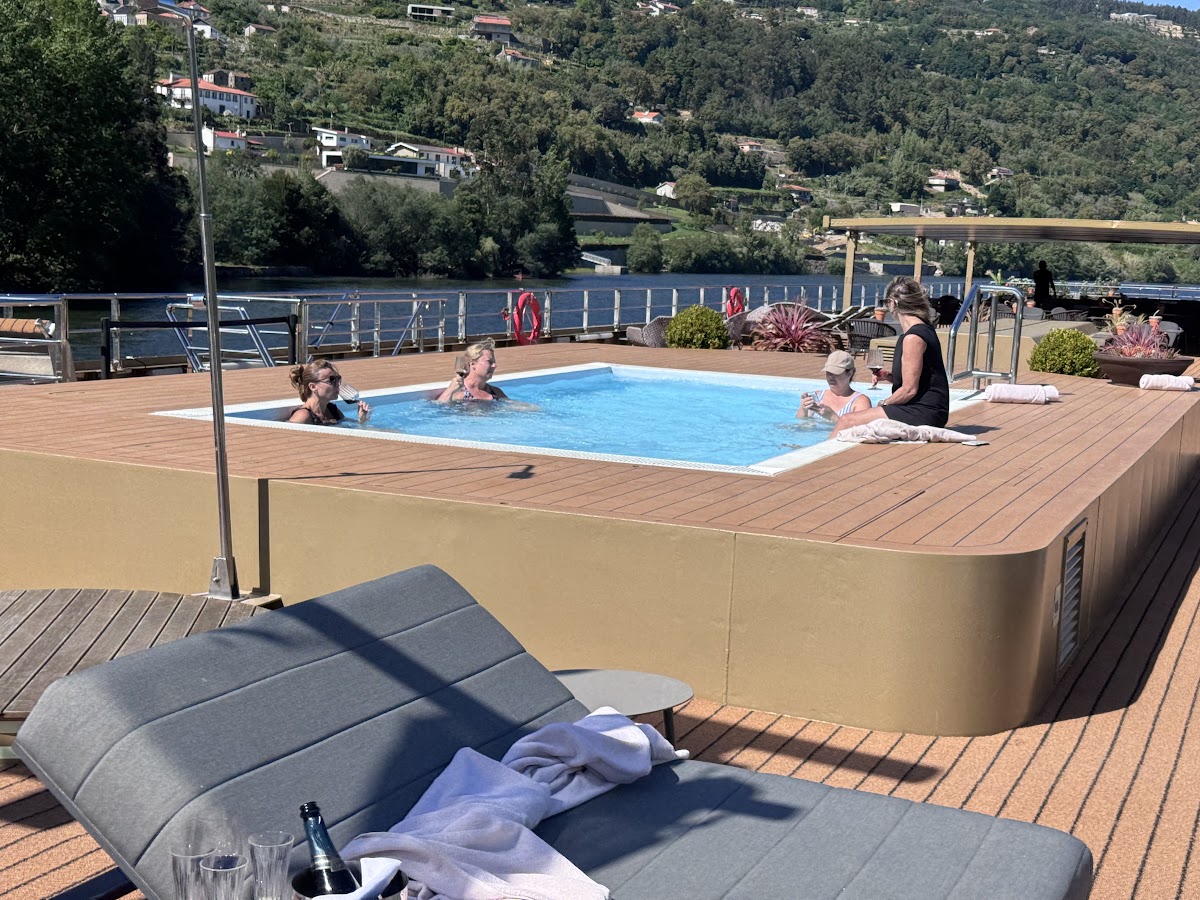
Today’s river cruise is as much about what happens between the ports as the destinations themselves. Expect chef’s-table dining and regionally inspired menus that change as the ship moves from country to country. Expect curated excursions that go well beyond the standard walking tour: private after-hours museum visits, hands-on cooking classes, vineyard tastings, and guided e-bike rides for those who want to stay active. Expect wellness programming, immersive local performances, and small-group experiences designed to make each day feel personal.
It all unfolds with river cruising’s signature ease. Ships dock right in the heart of town, so there are no long transfers — you simply step off and into the destination. You unpack once, and the scenery comes to you.
Everyone is welcome on the river now
Perhaps the most encouraging trend is who is choosing to cruise. The old assumption that river cruising is only for retirees is quickly fading. The audience is broadening in every direction.
Multigenerational travel is now one of the biggest trends in the entire cruise industry, with roughly a third of cruise passengers traveling with three or more generations. River lines have leaned in with dedicated family programming — think Uniworld’s Generations sailings, with onboard family hosts and kid-friendly activities, and Tauck Bridges, which has offered family departures for well over a decade. Active, experience-driven travelers are drawn to lines that emphasize cycling, hiking, and hands-on cultural immersion. And solo travelers are increasingly courted with reduced single supplements and social programming built around connection.
The takeaway is simple: river cruising is no longer a single type of trip for a single type of traveler. It is a flexible, personal way to see the world that families, couples, friends, and solo adventurers are all embracing.
Why it matters
Behind the new ships and the impressive growth curves is a deeper truth about how people want to travel today. We are trading checklists for experiences, rushing for savoring, and crowds for connection. River cruising delivers exactly that — a graceful, unhurried way to reach the heart of a place, with the comforts of a boutique hotel that moves with you.
The momentum in this industry is not hype. It is the sound of an entire category investing in a future travelers clearly want. For anyone who has ever pictured a slow morning on deck, coffee in hand, watching Europe’s most beautiful scenery drift past, the message from the industry could not be clearer: the best days of river cruising are still ahead.
Thinking about a river cruise of your own?
The choices have never been better — and a little expert guidance goes a long way in matching the right ship, river, and season to the trip you have in mind.