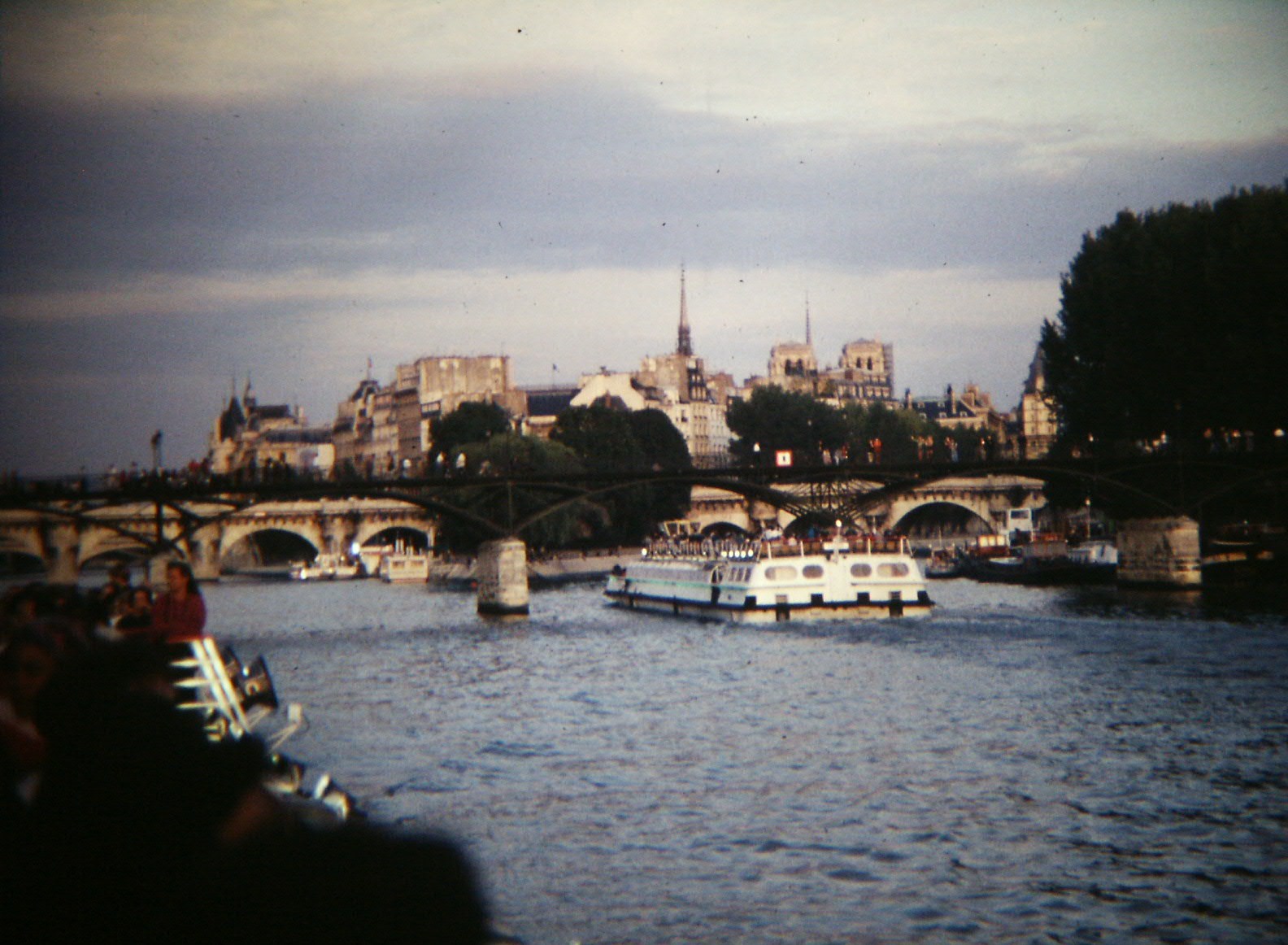
A Seine river cruise sails from the heart of Paris out through the storybook countryside of Normandy — trading the Eiffel Tower for Monet’s gardens, apple orchards, half-timbered ports, and the D-Day beaches. It’s the most France-focused of all the river cruises, pairing the world’s most romantic city with two of history’s great stories: Impressionist art and the Second World War.
Quick answer: The multi-day Seine river cruise is a round-trip from Paris (about 7 nights) that sails west through Normandy, visiting Monet’s Giverny, medieval Rouen, the port of Honfleur, and the D-Day beaches. Every major line sails it — Viking, Uniworld, AmaWaterways, Avalon, Scenic, Emerald, Tauck, and more. Sail April–October. (Not to be confused with a one-hour Paris dinner cruise — see below.)
Two Very Different “Seine River Cruises”
Search “Seine river cruise” and you’ll find two completely different experiences, so it’s worth sorting them out first:
- A Paris sightseeing or dinner cruise is a one- to two-hour outing on a large open-top boat (the famous bateaux), gliding past the Eiffel Tower, Notre-Dame, and the Louvre — often over dinner or at sunset. It’s a lovely evening in Paris, and usually booked as a standalone ticket.
- A multi-day Seine river cruise — the focus of this guide — is an all-inclusive, sleep-aboard voyage of about a week that carries you from Paris deep into Normandy and back, with guided excursions each day.
Both are wonderful; they’re just very different trips. The rest of this page is about the multi-day cruise.
What Is a Seine River Cruise?
The Seine winds northwest from Paris to the English Channel, and river ships follow it into Normandy before turning back — so nearly every Seine cruise is a round-trip from Paris, typically seven nights. Unlike the Rhine or Danube, it stays entirely within France, which gives it a wonderfully unified feel: one country, one cuisine, one unfolding story of art and history. New to the format? Our River Cruise 101 guide explains how river cruising works; this page is all about the Seine.
Why Cruise the Seine?
The Seine’s appeal is unlike any other river:
- Paris on both ends. Cruises begin and end in the City of Light, usually with overnights so you get real time in the city.
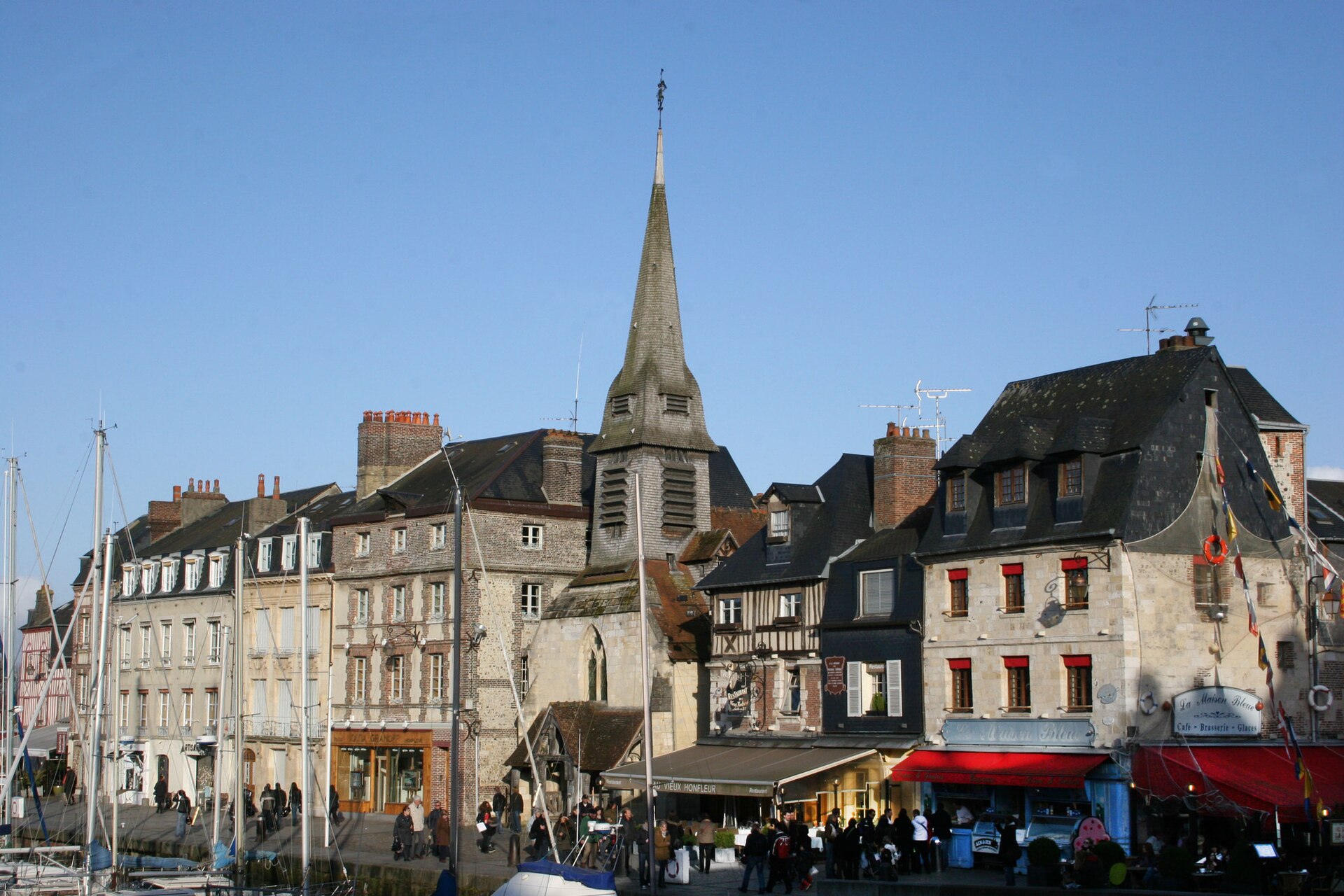
- The birthplace of Impressionism. Monet’s garden at Giverny, the cathedral he painted at Rouen, and the harbor light of Honfleur — this is where modern art was born.
- The D-Day beaches. One of the most moving excursions in all of river cruising, to the landing beaches, the American Cemetery, and Arromanches.
- Quintessential France. Camembert and cider, apple orchards, and half-timbered villages, all at an unhurried pace.
- It’s all in one country. No border-hopping — just a deep dive into France.
The Classic Seine River Cruise Itinerary
The signature Seine voyage is a 7-night round-trip from Paris. A typical week looks like this:
- Paris — the start and finish, usually with an overnight or two: the Eiffel Tower, the Louvre, Notre-Dame, and an evening sail past the illuminated monuments.
- Vernon / Giverny — the gateway to Monet’s house and water-lily gardens, the spiritual home of Impressionism.
- Les Andelys — a riverside village beneath the dramatic ruins of Château Gaillard, Richard the Lionheart’s clifftop fortress.
- Rouen — Normandy’s Gothic capital, where Joan of Arc met her end and Monet painted the cathedral in every light.
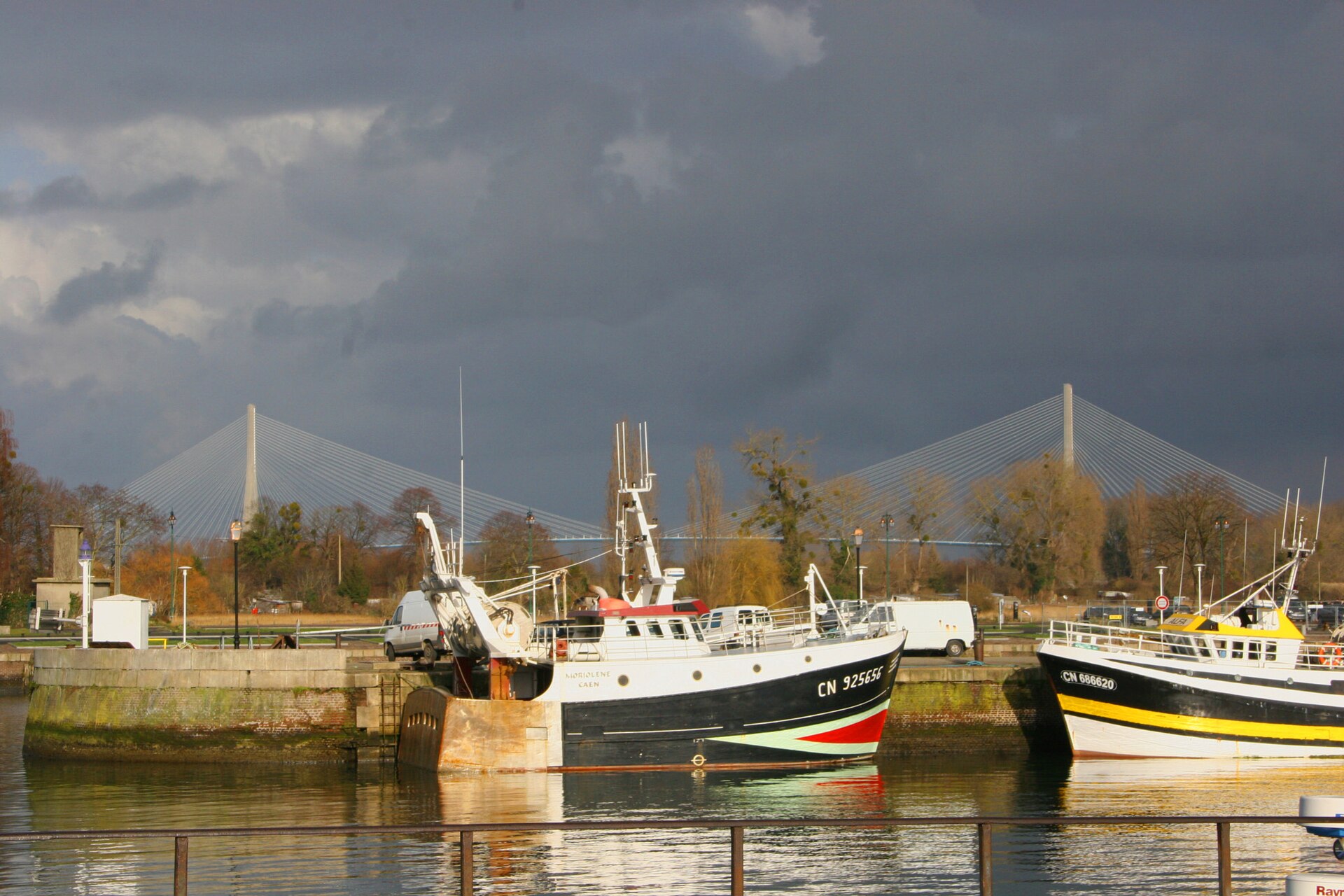
- Caudebec-en-Caux / Le Havre area — the base for excursions to charming Honfleur, the dramatic cliffs of Étretat, and the D-Day coast.
- The D-Day Beaches — a full-day excursion to Omaha and Utah beaches, the Normandy American Cemetery, and Arromanches.
Some itineraries run 8 nights or add extra time in Paris pre- or post-cruise — well worth it, as Paris always deserves more.
Giverny, D-Day, and the Normandy Highlights
Two excursions define a Seine cruise, and they could not be more different. At Giverny, you walk through Claude Monet’s restored home and the Japanese water garden with its lily pond and green bridge — the very scenes that fill the world’s museums; spring and early summer are peak bloom. On the coast, the D-Day beaches deliver a day of quiet power: the vast sweep of Omaha Beach, the white crosses of the American Cemetery above it, and the remains of the Mulberry harbor at Arromanches. Between them, Rouen and Honfleur add Gothic grandeur and Impressionist charm. It’s a week that moves between beauty and history in a way no other river matches.
Which Is the Best Seine River Cruise Line?
There’s no single “best” line — it comes down to budget and style, and the Seine is popular enough that you’ll have good choice. The main operators split into luxury, premium, and value tiers:
| Line | Style | Good fit for |
|---|---|---|
| Uniworld | All-inclusive luxury | Boutique, richly designed ships; nearly everything included |
| Scenic | Luxury | Butler service and all-inclusive excursions |
| Tauck | Ultra-inclusive | Guided touring with tips and excursions built in; strong on D-Day history |
| AmaWaterways | Premium | Standout food and wine, plus active options |
| Viking | Premium, adults-only | The most departures; understated Scandinavian style |
| Avalon | Premium | Panorama beds that face the view; good value |
| Emerald | Premium value | Modern ships; good price-to-quality |
| CroisiEurope | Value | French-owned and casual, with a local touch on its home river |
Ships and inclusions change year to year — an advisor who has sailed the Seine can match you to the right line, ship, and cabin rather than a brochure.
Best Time to Take a Seine River Cruise
The Seine season runs roughly April through October, with a few holiday sailings in December. The month shapes the trip:
- Spring (April–May): Giverny’s gardens burst into bloom — the best window for Monet lovers — with fresh weather and fewer crowds.
- Early summer (June): Long days and the poignant D-Day anniversary; a popular and moving time to visit the beaches.
- Summer (July–August): Warmest and liveliest, with Paris in full swing.
- Autumn (September–October): Golden light, apple harvest, and comfortable sightseeing — a lovely, quieter option.
Paris: The Start and End of Every Cruise
No river cruise is bookended by a city quite like this. Because sailings begin and end in Paris — usually with overnights — you get genuine time in the capital without changing hotels: mornings at the Louvre or Musée d’Orsay, afternoons in Montmartre or along the Left Bank, and at least one evening sailing on the Seine itself, past a sparkling Eiffel Tower. Many travelers add a night or two on either end; with Paris, more is always better.
What’s Included and What Does It Cost?
Seine cruises are largely all-inclusive: your cabin, all onboard meals, most shore excursions, and Wi-Fi, with beer and wine at lunch and dinner on most lines. Luxury lines (Uniworld, Scenic, Tauck) fold in premium drinks, gratuities, and transfers; premium and value lines keep the base fare lower and sell some extras separately.
Pricing varies widely by line, cabin, and season — a value week often starts in the low-to-mid thousands per person, while a top suite on a luxury line in peak season runs several times that. Spring (Giverny) and the June D-Day period are in high demand, so booking early secures the best cabins and dates. (Figures are general and change constantly; confirm current pricing before booking.)
Tips for First-Time Seine Cruisers
- Add Paris nights before or after — the cruise gives you a taste, but the city deserves more.
- Go in spring for Giverny if Monet’s gardens are a priority; they’re at their best April through June.
- Choose a line with a strong D-Day program if the history matters most to you.
- Fly into Paris (CDG or ORY); it’s the only gateway you need.
- Pack layers and comfortable shoes — Normandy weather is changeable and excursions involve walking.
Planning a Seine river cruise?
Our advisors have sailed the Seine and know which line, ship, and sailing date fits you best — at no extra cost to you.
Talk to an AdvisorSeine River Cruise FAQ
How long is a Seine river cruise?
The classic multi-day Seine cruise is a seven-night round-trip from Paris through Normandy. Some run eight nights or add extra time in Paris. (A Paris dinner or sightseeing cruise, by contrast, lasts one to two hours.)
Which is the best Seine river cruise line?
It depends on your budget and style. Uniworld, Scenic, and Tauck lead the luxury tier; AmaWaterways, Viking, Avalon, and Emerald sit in the premium range; CroisiEurope offers casual French value. Viking runs the most departures.
Do Seine river cruises visit the D-Day beaches?
Yes. A full-day excursion to the Normandy landing beaches — Omaha and Utah, the American Cemetery, and Arromanches — is a highlight of nearly every multi-day Seine cruise.
What’s the difference between a Seine river cruise and a Paris dinner cruise?
A Paris dinner or sightseeing cruise is a one- to two-hour outing past the city’s monuments. A multi-day Seine river cruise is a week-long, all-inclusive voyage from Paris into Normandy and back, with a cabin and daily excursions.
When is the best time to cruise the Seine?
April through October is ideal. Spring is best for Monet’s gardens at Giverny, June draws visitors for the D-Day anniversary, and autumn offers golden light and fewer crowds.
Where do Seine river cruises go?
They round-trip from Paris through Normandy, typically calling at Vernon (for Giverny), Les Andelys, Rouen, and the Le Havre area for Honfleur and the D-Day beaches.